




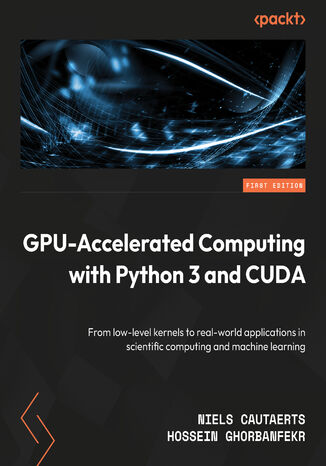
GPU-Accelerated Computing with Python 3 and CUDA. From low-level kernels to real-world applications in scientific computing and machine learning Niels Cautaerts, Hossein Ghorbanfekr

- Autorzy:
- Niels Cautaerts, Hossein Ghorbanfekr
- Wydawnictwo:
- Packt Publishing
- Ocena:
Opis
książki
:
GPU-Accelerated Computing with Python 3 and CUDA. From low-level kernels to real-world applications in scientific computing and machine learning
You’ll begin with the fundamentals of CUDA programming in Python using Numba-CUDA, learning how GPUs work and how to write, execute, and debug custom GPU kernels. Building on this foundation, the book explores memory access optimization, asynchronous execution with CUDA streams, and multi-GPU scaling using Dask-CUDA. Performance analysis and tuning are emphasized throughout, using NVIDIA Nsight profilers.
You’ll also learn to use high-level GPU libraries such as JAX, CuPy, and RAPIDS to accelerate numerical Python workflows with minimal code changes. These techniques are applied to real-world examples, including PDE solvers, image processing, physical simulations, and transformer models.
Written by experienced GPU practitioners, this hands-on guide emphasizes reproducible workflows using Python 3.10+, CUDA 12.3+, and tools like the Pixi package manager. By the end, you’ll have future-ready skills for building scalable GPU applications in Python.
Wybrane bestsellery
-
 Nowoczesne aplikacje internetowe nie istnieją bez solidnego zaplecza serwerowego. To właśnie BackEnd odpowiada za logikę biznesową, bezpieczeństwo, przetwarzanie danych i komunikację z bazami danych. Książka "Zaawansowane aplikacje webowe BackEnd dla studenta i technika programisty" to kompleksowy przewodnik, który krok po kroku wprowadza czytelnik
-
ebook
(33,90 zł najniższa cena z 30 dni)
52.30 zł
74.00 zł (-29%) -
-
 Ta zwięzła publikacja przyda się profesjonalistom, którzy lubią drobne ulepszenia prowadzące do dużych korzyści. Zrozumiale wyjaśniono w niej, na czym polega proces tworzenia czystego i niezawodnego kodu. W rozsądnej dawce podano zagadnienia teoretyczne, takie jak sprzężenie, kohezja, zdyskontowane przepływy pieniężne i opcjonalność. Porządkowanie kodu jest tu przedstawione jako element codziennej pracy programisty, prowadzący do poprawy struktury całego projektu. W książce znalazło się mnóstwo praktycznych przykładów, dzięki którym można wypróbować wybrane techniki, najlepiej sprawdzające się w danym przypadku.
-
książka
-
ebook
(29,94 zł najniższa cena z 30 dni)
29.94 zł
49.90 zł (-40%) -
-
 Głębokie sieci neuronowe mają niesamowity potencjał. Osiągnięcia ostatnich lat nadały procesom uczenia głębokiego zupełnie nową jakość. Obecnie nawet programiści niezaznajomieni z tą technologią mogą korzystać z prostych i niezwykle skutecznych narzędzi, pozwalających na sprawne implementowanie programów uczących się z danych.
-
książka
-
ebook
Niedostępna
-
-
 Tę książkę docenią programiści, menedżerowie, inżynierowie i liderzy techniczni. Znajdziesz w niej cenne informacje o filozofii inżynierii oprogramowania, jak również o postępach w sposobie myślenia na jej temat. Na tej bazie oparto zestaw zasad ułatwiających skuteczne radzenie sobie z dwoma podstawowymi procesami inżynierii oprogramowania: uczenia się i eksploracji oraz radzenia sobie ze złożonością. W ten sposób dowiesz się, jak usprawnić wszystkie aspekty swojej pracy, a także jak stosować sprawdzone podejścia prowadzące do sukcesu z uwzględnieniem uwarunkowań ekonomicznych. Dzięki tej przełomowej publikacji nauczysz się technik rozwiązywania problemów z wykorzystaniem zarówno obecnych, jak i przyszłych technologii. W efekcie będziesz szybciej tworzyć lepsze oprogramowanie, i to w bardziej przyjemny i satysfakcjonujący sposób.
-
książka
-
ebook
(41,40 zł najniższa cena z 30 dni)
41.40 zł
69.00 zł (-40%) -
-
 Trzech poważanych architektów oprogramowania omawia cały cykl życia, prezentując praktyczne wskazówki, metody stosowane przez ekspertów i sprawdzone modele przydatne w każdym projekcie niezależnie od poziomu jego złożoności. Dowiesz się, jak za pomocą architektury radzić sobie z coraz większymi wymaganiami i systemami oraz wyższym poziomem abstrakcji, a także jak uzyskiwać emergentne atrybuty jakościowe, gdy systemy są dynamicznie łączone na nowe sposoby.
-
książka
-
ebook
(59,40 zł najniższa cena z 30 dni)
59.40 zł
99.00 zł (-40%) -
-
 Ta książka zawiera opis podstawowych wzorców, zasad i praktyk przydatnych podczas analizy dziedzin biznesowych, ułatwiających zrozumienie ich strategii i dostosowanie architektury do potrzeb biznesu, aby umożliwić zbudowanie solidnej implementacji logiki biznesowej. Omówiono tu narzędzia i techniki podejmowania decyzji projektowych, a także istotniejsze wzorce projektowe. Dużo uwagi poświęcono kodowi i różnym sposobom implementacji logiki biznesowej systemu. Opisano również techniki i strategie stosowania DDD w rzeczywistych projektach. Ciekawym elementem jest zaprezentowanie związków projektowania dziedzinowego z innymi ważnymi metodologiami i wzorcami.
-
książka
-
ebook
(47,40 zł najniższa cena z 30 dni)
47.40 zł
79.00 zł (-40%) -
-
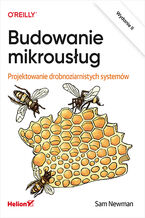 To drugie wydanie praktycznego przewodnika po projektowaniu, tworzeniu, wdrażaniu, skalowaniu i utrzymaniu systemów opartych na drobnoziarnistych mikrousługach. Publikacja została uzupełniona o informacje dotyczące najnowszych trendów i technologii związanych z mikrousługami. Sporo miejsca poświęcono na staranne przeanalizowanie przykładów dotyczących opisywanych koncepcji, a także pokazanie optymalnych sposobów rozwiązywania różnych problemów. Opisano również najnowsze rozwiązania dotyczące modelowania, integracji, testowania, wdrażania i monitorowania autonomicznych usług. Bardzo interesującą częścią są studia przypadków, w których przeanalizowano, jak organizacjom udaje się w praktyce w pełni wykorzystywać możliwości mikrousług.
-
książka
-
ebook
(65,40 zł najniższa cena z 30 dni)
65.40 zł
109.00 zł (-40%) -
-
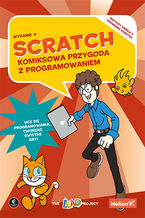 Scratch jest znany jako projekt edukacyjny, służący młodym ludziom do nauki programowania. W rzeczywistości stał się czymś więcej: jest to cyfrowa piaskownica, w której każdy może wyrazić swoją kreatywność. W trakcie tworzenia projektów w Scratchu można nie tylko nauczyć się sposobu myślenia właściwego najlepszym programistom, ale także ćwiczyć systematyczność, innowacyjność, umiejętność znajdywania rozwiązań i pracy zespołowej. Na stronie Scratcha czeka cała gama ciekawych projektów: animowane historyjki, gry przygodowe, interaktywne samouczki, wycieczki z przewodnikiem, eksperymenty naukowe i wiele innych. Bez wątpienia każdy młody człowiek znajdzie tam inspirację, tylko... co dalej? Jak zacząć? Jak napisać pierwszą instrukcję?
-
książka
-
ebook
(23,94 zł najniższa cena z 30 dni)
23.94 zł
39.90 zł (-40%) -
-
 Programiści dysponują coraz lepszym, szybszym i wszechstronniejszym sprzętem. Pojawiają się nowe języki programowania i nowe paradygmaty tworzenia architektury oprogramowania. Są jednak rzeczy, które w świecie programowania pozostają stałe i niezmienne. Wciąż proces stawania się programistą wymaga od adeptów tego rzemiosła sporego wysiłku. Akt kodowania to za mało. Trzeba zmienić sposób myślenia, nawyki, zachowania i oczekiwania. Konieczne jest świadome dążenie do stosowania dobrych praktyk. Jeśli pilnuje się jakości swojej pracy i nieustannie pamięta, co i po co się robi, można w końcu stać się pragmatycznym programistą.
-
książka
-
ebook
(53,40 zł najniższa cena z 30 dni)
53.40 zł
89.00 zł (-40%) -
-
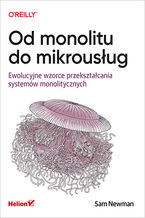 Mikrousługi są relatywnie świeżą koncepcją w świecie systemów IT, mimo to coraz więcej organizacji decyduje się na wdrażanie opartej na nich architektury. Uznaje się, że zapewnia ona wówczas lepszą skalowalność, łatwość łączenia poszczególnych niezależnych elementów, a przede wszystkim możliwość szybszej reakcji na zmiany i skuteczniejsze wdrażanie nowych funkcjonalności. Zanim jednak organizacja da się skusić tymi obietnicami, powinna gruntownie przeanalizować swoją sytuację i decyzję o ewentualnej migracji systemu oprzeć na racjonalnych przesłankach. Konieczne jest również opracowanie planu takiego przejścia, zwłaszcza jeśli nie można sobie pozwolić na dłuższe przestoje w działalności.
-
książka
-
ebook
(41,40 zł najniższa cena z 30 dni)
41.40 zł
69.00 zł (-40%) -




Szczegóły książki
- Tytuł oryginału:
- GPU-Accelerated Computing with Python 3 and CUDA. From low-level kernels to real-world applications in scientific computing and machine learning
- ISBN Ebooka:
- 978-18-032-4810-3, 9781803248103
- Data wydania ebooka :
-
2026-03-31
 Data wydania ebooka często jest dniem wprowadzenia tytułu do sprzedaży i może nie być równoznaczna
z datą wydania książki papierowej. Dodatkowe informacje możesz znaleźć w darmowym fragmencie.
Jeśli masz wątpliwości skontaktuj się z nami sklep@helion.pl.
Data wydania ebooka często jest dniem wprowadzenia tytułu do sprzedaży i może nie być równoznaczna
z datą wydania książki papierowej. Dodatkowe informacje możesz znaleźć w darmowym fragmencie.
Jeśli masz wątpliwości skontaktuj się z nami sklep@helion.pl.
- Język publikacji:
- angielski
- Zgłoś erratę
- Kategorie:
Sieci komputerowe
Programowanie » Techniki programowania
Packt Publishing - inne książki
-
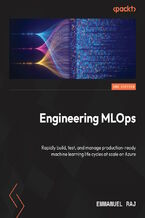 This book presents comprehensive insights into MLOps coupled with real-world examples to help you to write programs, train robust and scalable ML models, and build ML pipelines to train and deploy models securely in production.
-

-
ebook
Powiadom mnie, gdy książka będzie dostępnaW przygotowaniu
-
-
 A practitioner-focused, leadership-ready guide that translates AI ethics and data governance into clear, actionable frameworks for executive decision-making, without abstract theory or overly technical detail.
-
-
ebook
Powiadom mnie, gdy książka będzie dostępnaW przygotowaniu
-
-
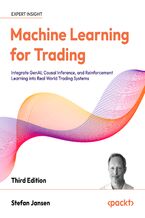 This third edition teaches you to design, test, and deploy AI-driven trading systems using the 7-Stage ML4T Workflow, covering Generative AI, causal inference, and MLOps for robust, adaptive, and systematic strategies.
-
-
ebook
Powiadom mnie, gdy książka będzie dostępnaW przygotowaniu
-
-
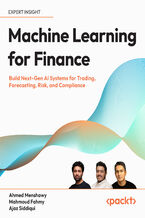 Develop financial AI systems using machine learning, GenAI, and Python. With hands-on projects in trading, risk, and compliance, this book empowers professionals to deploy production-ready AI in finance.
-
-
ebook
Powiadom mnie, gdy książka będzie dostępnaW przygotowaniu
-
-
 This book is a practical guide to building high-frequency trading systems. It covers key topics, low-latency techniques, and programming in C++, Java, Python, and Rust and sections on crypto trading and generative AI to help you trade with ease.
-
-
ebook
Powiadom mnie, gdy książka będzie dostępnaW przygotowaniu
-
-
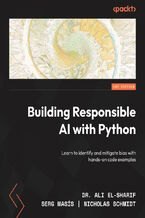 As more evidence emerges that AI has the potential to perpetuate and even cause discrimination, it is imperative for modelers to address this issue head-on. In this book, we use the most popular machine learning language – Python – to teach the skills that modelers need to explain, identify, and remedy potential discrimination and bias.
-
-
ebook
Building Responsible AI with Python. Learn to identify and mitigate bias with hands-on code examples
Powiadom mnie, gdy książka będzie dostępnaW przygotowaniu
-
-
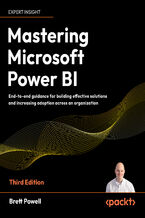 The Third Edition of Mastering Microsoft Power BI covers the latest features, deployment patterns, and best practices from across the platform including data integration, semantic models, data visualization, content distribution, and administration
-
-
ebook
Powiadom mnie, gdy książka będzie dostępnaW przygotowaniu
-
-
 This book is a comprehensive guide into platform engineering, that will have you up-to-speed on the why and how of platform teams in no time. It offers industry-based use cases and a detailed blueprint on building an internal developer platform.
-
-
ebook
Powiadom mnie, gdy książka będzie dostępnaW przygotowaniu
-
-
 Master the Elastic Search AI Platform to build AI-enhanced search experiences, observability platforms, and security systems that transform raw data into actionable intelligence for any environment.
-
-
ebook
Powiadom mnie, gdy książka będzie dostępnaW przygotowaniu
-
-
 Unlock CAD opportunities with expert advice, real-world case studies, and key principles. This guide equips you with the knowledge and confidence to excel in interviews and advance your career in architecture, engineering, mechanical, and beyond.
-
-
ebook
Powiadom mnie, gdy książka będzie dostępnaW przygotowaniu
-
Dzięki opcji "Druk na żądanie" do sprzedaży wracają tytuły Grupy Helion, które cieszyły sie dużym zainteresowaniem, a których nakład został wyprzedany.
Dla naszych Czytelników wydrukowaliśmy dodatkową pulę egzemplarzy w technice druku cyfrowego.
Co powinieneś wiedzieć o usłudze "Druk na żądanie":
- usługa obejmuje tylko widoczną poniżej listę tytułów, którą na bieżąco aktualizujemy;
- cena książki może być wyższa od początkowej ceny detalicznej, co jest spowodowane kosztami druku cyfrowego (wyższymi niż koszty tradycyjnego druku offsetowego). Obowiązująca cena jest zawsze podawana na stronie WWW książki;
- zawartość książki wraz z dodatkami (płyta CD, DVD) odpowiada jej pierwotnemu wydaniu i jest w pełni komplementarna;
- usługa nie obejmuje książek w kolorze.
Masz pytanie o konkretny tytuł? Napisz do nas: sklep@helion.pl
Książka drukowana





Oceny i opinie klientów: GPU-Accelerated Computing with Python 3 and CUDA. From low-level kernels to real-world applications in scientific computing and machine learning Niels Cautaerts, Hossein Ghorbanfekr
(0)